
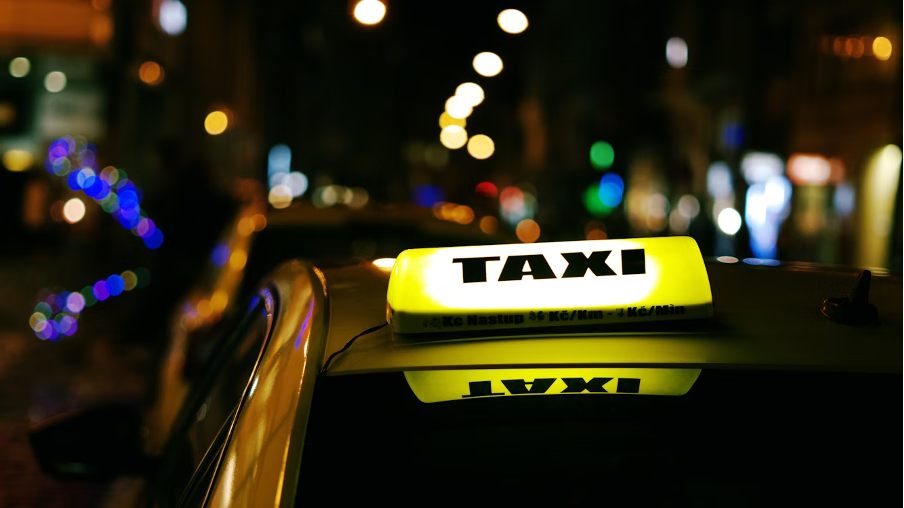
There’s a simple fact every traveler in Europe quickly learns. You can memorize every bus line and tram schedule. Sooner or later, you’ll end up flagging down a taxi. They’re the trusty sidekicks of every traveler’s European journey. Though taxis may seem like the same four-wheeled rescue everywhere, the experience changes dramatically from city to city. Let’s look at Europe’s taxi culture. And how taxis stack up in Europe’s top destinations.
Spain
In Spain, catching a taxi is almost part of the adventure. In Madrid and Barcelona, the white cars with their green lights zip through the streets like they’re in a constant hurry to get to the next tapas bar. Fares are regulated. You won’t face any surprise extra charges.
On the islands, everything feels more relaxed, like it’s supposed to be. If you want to hop between beaches, resorts, or hotels, you can take advantage of a taxi Lanzarote. There’s no use in waiting for buses in the midday heat. Drivers are used to tourists and luggage, so don’t be shy about loading up your snorkel gear. Spanish taxis keep the journey lively, convenient, and just a little bit fun.
France
Paris might dazzle with lights and love. However, navigating its streets by taxi is an adventure of its own. French taxis (often marked with their illuminated roof signs) are generally clean and professional. Prices are government-controlled. However, they tend to be steeper than in Spain, especially if you compare them with a GetTransfer booking. One unique perk? French taxis sometimes allow advance bookings at fixed rates. It’s handy if you’re catching a flight from Charles de Gaulle at dawn.
Italy
In Italy, taxis are like the espresso of transport. In Rome and Milan, fleets of white taxis operate under straightforward pricing rules. Don’t be surprised if drivers add their own “interpretive flair” to routes. On the plus side, apps like MyTaxi have helped modernize the system. They let you book and pay without fumbling for cash. In Italy, a taxi ride can seem closer to a scene from a vintage chase film than everyday travel.
Germany
In Germany, taxis are less of a gamble and more of a well-oiled machine. Most are Mercedes that glide through the streets with German precision. You’ll spot them waiting patiently at designated taxi ranks outside train stations, airports, and city centers. You’d be surprised, but they never honk or hustle for attention. Fares are regulated, meters are always on, and drivers rarely go “off script.” Efficiency is the name of the game here. German taxi drivers prefer the fastest, most logical route, even if you secretly wished for a scenic one.
United Kingdom
No European taxi roundup is complete without London’s iconic black cabs. These spacious vehicles are driven by professionals who’ve mastered “The Knowledge.” It’s an exam that strikes fear into even the most prepared drivers. It requires drivers to fix in mind an immense web of roads and sites. As a result, you’ll rarely meet a driver who doesn’t know exactly where to go. The catch, of course, is the cost. London taxi rides are among the priciest in Europe. Still, chatting with a cabbie can be an experience in itself. You might leave with tips on the best pub in Shoreditch or a history lesson about Winston Churchill.
Final thoughts
No matter the style or setting, taxis across Europe exist for one reason. They’re there to get you where you’re going. Yet the vibe shifts from place to place. It makes each ride distinct. Spain delivers relaxed and reliable service. French taxi rides are romantic but pricey. Italy sprinkles in chaos. Germany’s service runs like clockwork. And the UK combines history with quirky charm.
The essence of the service is the same everywhere. However, a taxi ride in each country can carry its own cultural flavor. And sometimes, the best stories are born in the back seat.