
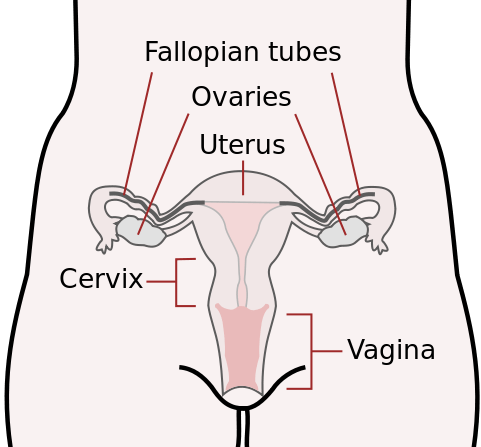
Welcome to Week 1! We will be using the standard gestational age method to date your pregnancy, which means day one is actually the first day of your period, not the first day you are pregnant. As strange as it sounds, you will not actually conceive until week three! A full term pregnancy is 40 weeks (280 days) long and consists of three trimesters roughly lasting 13 weeks, though different people use slightly different methods of working this out. Roughly speaking, the following guide applies:
- First Trimester: Week 1 to Week 13
- Second Trimester: Week 14 to Week 26
- Third Trimester: Week 27 to Week 40
Your Baby
As much as you would like there to be, there’s absolutely nothing to report just yet, but that doesn’t mean it’s too early to start priming your body for perfect pregnancy health. In just a couple of weeks your little one will begin growing, so there is no harm in acting as if you are pregnant already. Probably best to hold off the pregnancy announcements just yet though!
Are you ready to have a baby? There are a number of emotional, physical and financial factors you should consider before deciding to have a baby, as once things get going, there is no turning back!
- Do you plan on stopping work to look after baby, and if so for how long? Will you be able to cope financially with one wage (or all your wages, depending on if you are in a relationship or single) It might be rather boring, but start thinking about a post-baby financial plan now, including things like childcare costs, if necessary. The average family will spend about £200,000 in raising a child until they turn 21.
- How will having a baby affect your relationship with your partner? Pregnancy and child-rearing can be an emotional roller coaster so you must be prepared to be completely open and honest about your thoughts and feelings. Is your relationship stable enough to handle whatever having a baby throws at you? Be wary of having a child because you think it will fix problems in your relationship as this rarely works.
- Will you be able to commit to meeting the physical and emotional needs of a baby, especially when he is a newborn? While babies bring joy and happiness, they can also bring a certain amount of stress and frustration, as well as feelings of helplessness and incompetence, especially when combined with sleep deprivation!
- Are you fit and healthy? It’s time for Mum and Dad to start taking care of themselves. This is obvious for Mum but Dad should think about cutting down his alcohol intake and quitting smoking too as well as discontinuing any drug use as these things can dramatically lower sperm count.
Despite this, there is rarely a completely perfect time to try for a baby and if you wait until you find it, you may end up never going for it. So by all means spend some time making sure you are ready, but first and foremost let your head and your heart to decide when you make that final leap.
You
This week sees the beginning of your menstrual cycle and the start of your period. Say goodbye to the last unfertilised egg for nearly ten months. Although it varies with every woman, if you have a regular 28-day cycle, ovulation normally occurs around Day 14 of your menstrual cycle, which means your fertile period will begin around day 11 or 12 and last until ovulation. If your cycle is shorter or longer you can expect ovulation any time from day 12 to day 16. Most women have 14 days from ovulation until their period starts, often known as the ‘two week wait’. If you do not have a regular cycle, you can purchase an ovulation prediction kit, or track your Basal Body Temperature in order to work out the best time to have sex to increase the chances of conception.
In one of your ovaries, an egg is beginning to ripen and await fertilisation. Your uterus sheds its endometrial lining, along with blood. If you have been trying for a baby you may be disappointed that your period has arrived as this signifies a month gone by without a pregnancy.
Now and throughout your pregnancy, your health and habits directly relate to the well-being and development of your baby. You will need to:
- Avoid alcohol or reduce your intake
- Stop smoking immediately
- Avoid recreational drugs
- Talk to your doctor about any prescription or over the counter drugs you are taking
- Eat healthily, being sure to include the requisite amount of vitamins in your diet
- Talk to your doctor about taking a folic acid supplement, or make sure you have enough in your diet.
- Try to get to a healthy weight, whether this means losing or gaining weight
Your Partner
This is the easy bit, right? No tips needed here, thank you very much – we’ve had this sorted for some time now. Well actually, not always. Deciding to try for a baby is an exciting time, and actually trying for a baby is without doubt a lot of fun, but as strange as it sounds, make sure those testicles don’t get too toasty! There are a few things you can do to help this and maximise the chances you will get your partner pregnant:
- Wear boxers instead of briefs
- Jog instead of riding a bike
- Avoid Jacuzzis and hot tubs
- Don’t use laptops, or at least use them on a desk
- Avoid tight trousers
On a lighter note, some people believe that certain positions increase the chances of conception – there’s no harm in giving them a try now is there?